

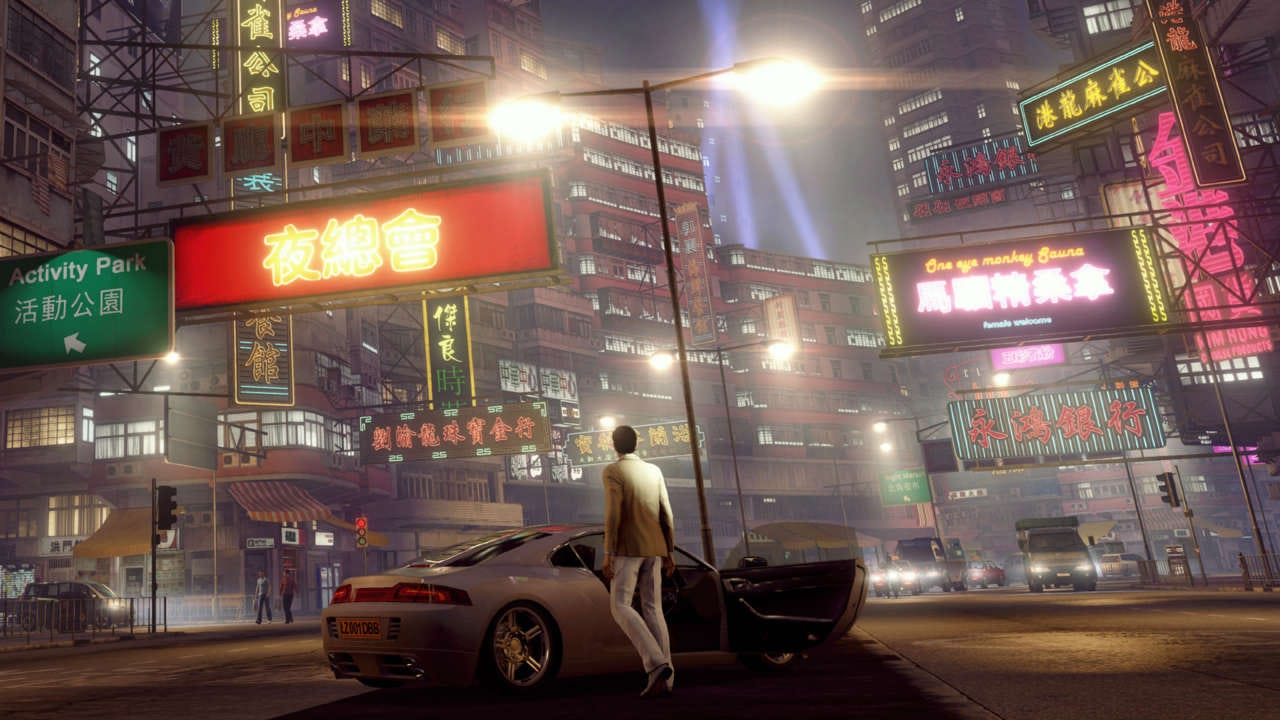
There’s something about Sleeping Dogs that sticks with me—more than just the brutal melee combos, the neon-soaked streets of Hong Kong, or the satisfying crunch of a well-timed counterattack.
It’s tied to a very specific time in my life: the weeks leading up to my daughter’s birth, when sleep was a luxury and the only thing keeping my wife and me sane was Wei Shen’s undercover cop drama.
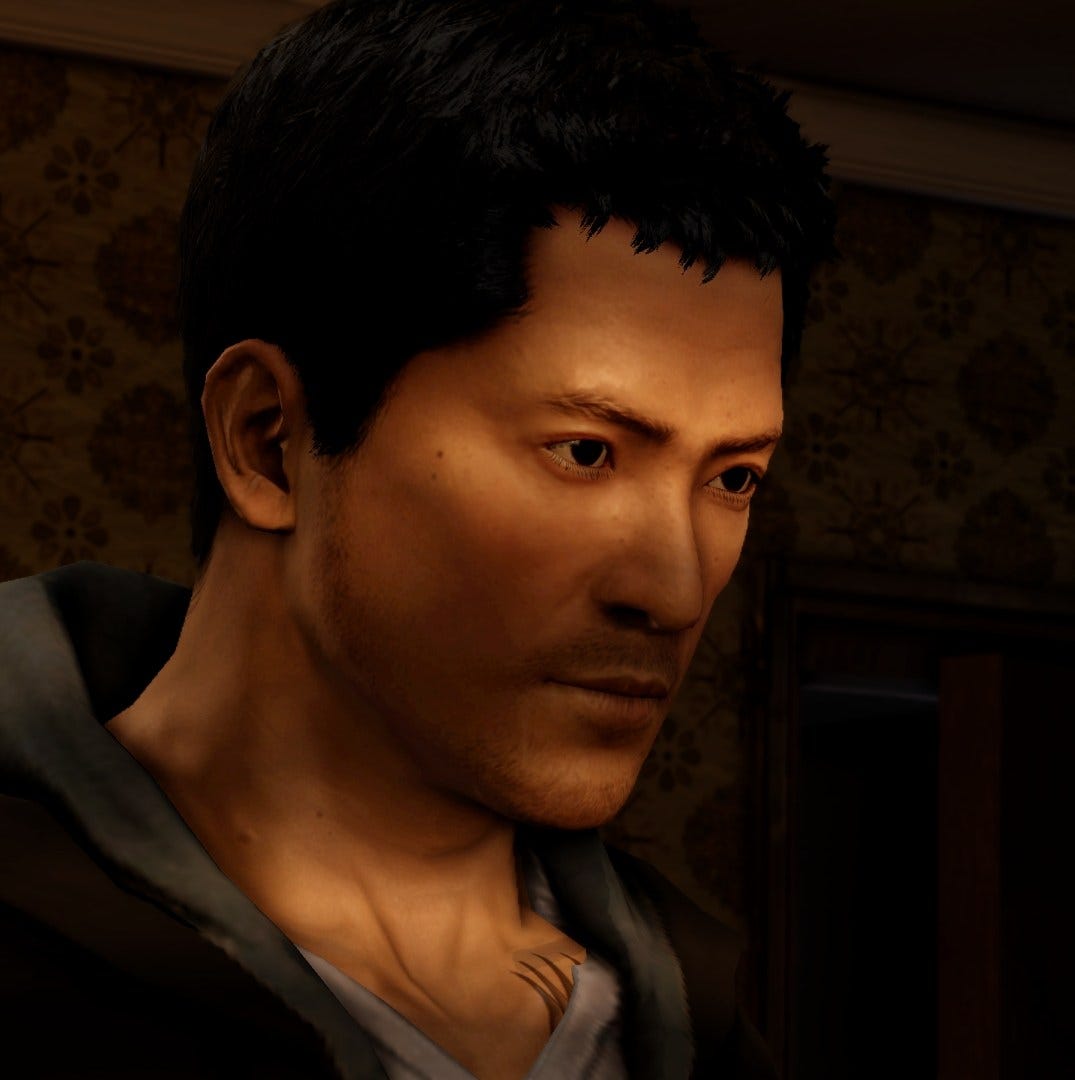
My wife was deep into her third trimester, and between the kicks, the heartburn, and the sheer impossibility of finding a comfortable sleeping position, rest was a lost cause.
So instead of fighting it, we embraced the insomnia.
While the rest of the world slept, we’d curl up on the couch, her with a pregnancy pillow wedged in every conceivable angle, me with a controller in hand, diving back into the chaotic beauty of Sleeping Dogs.
And it is, still to this day, a beauty of a game.
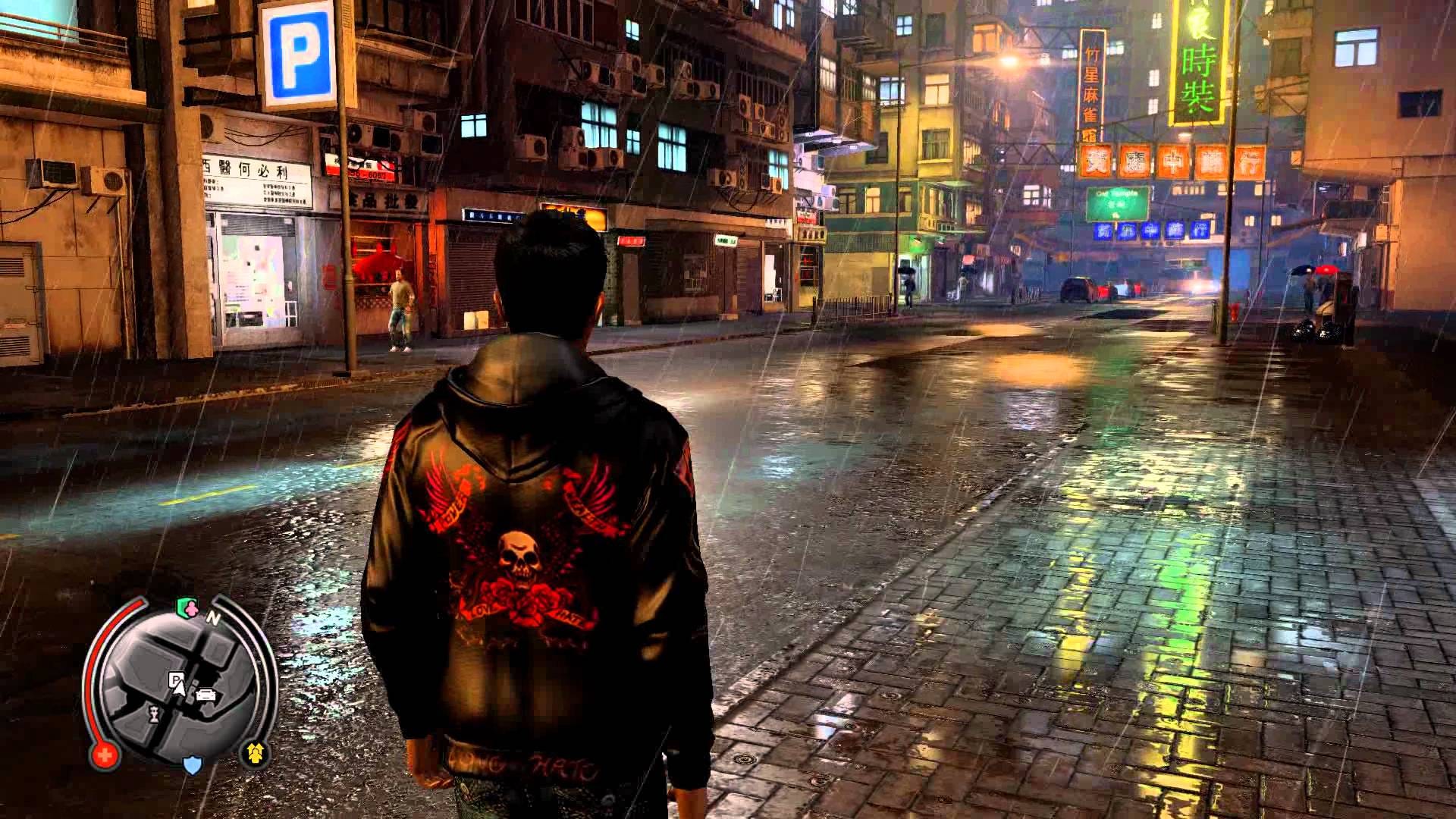
I had already platinumed the game on PS3 years earlier, but something about replaying it on PS4—this time with my wife half-watching, half-dozing beside me—made it feel fresh.
Upon waking up, she’d laugh when I’d accidentally slam a scooter into a fruit stand (again), or gasp when a Triad ambush turned into a desperate, bone-breaking brawl.
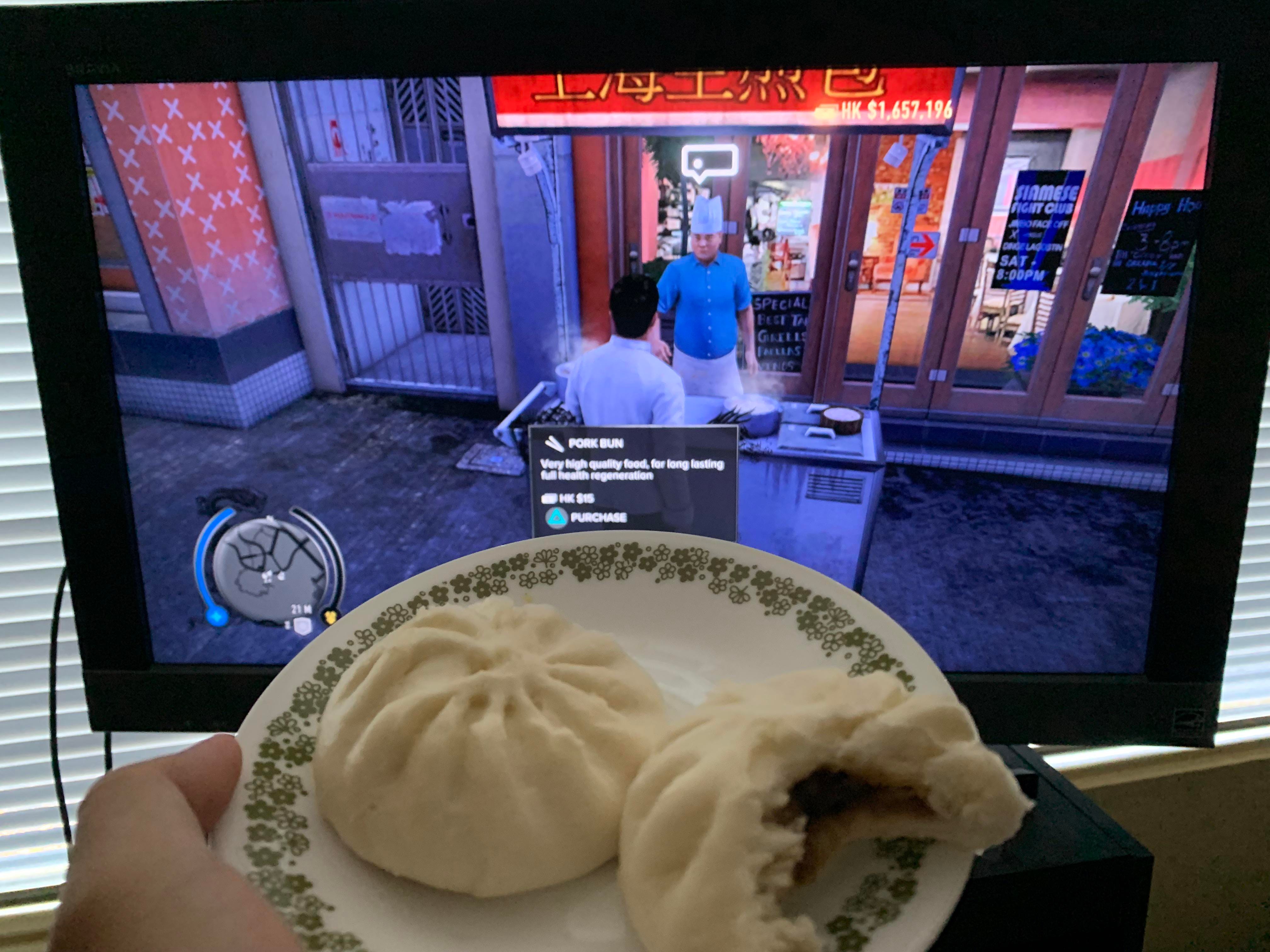
"Why do I suddenly want pork buns?" she'd ask, half-joking but clearly serious, as the late-night delivery from our local takeaway landed at the door.
It was my husbandly duty to provide food after all.
The game’s mix of brutal combat and open-world chaos was the perfect distraction from the exhaustion of impending parenthood.
As were the pork buns.
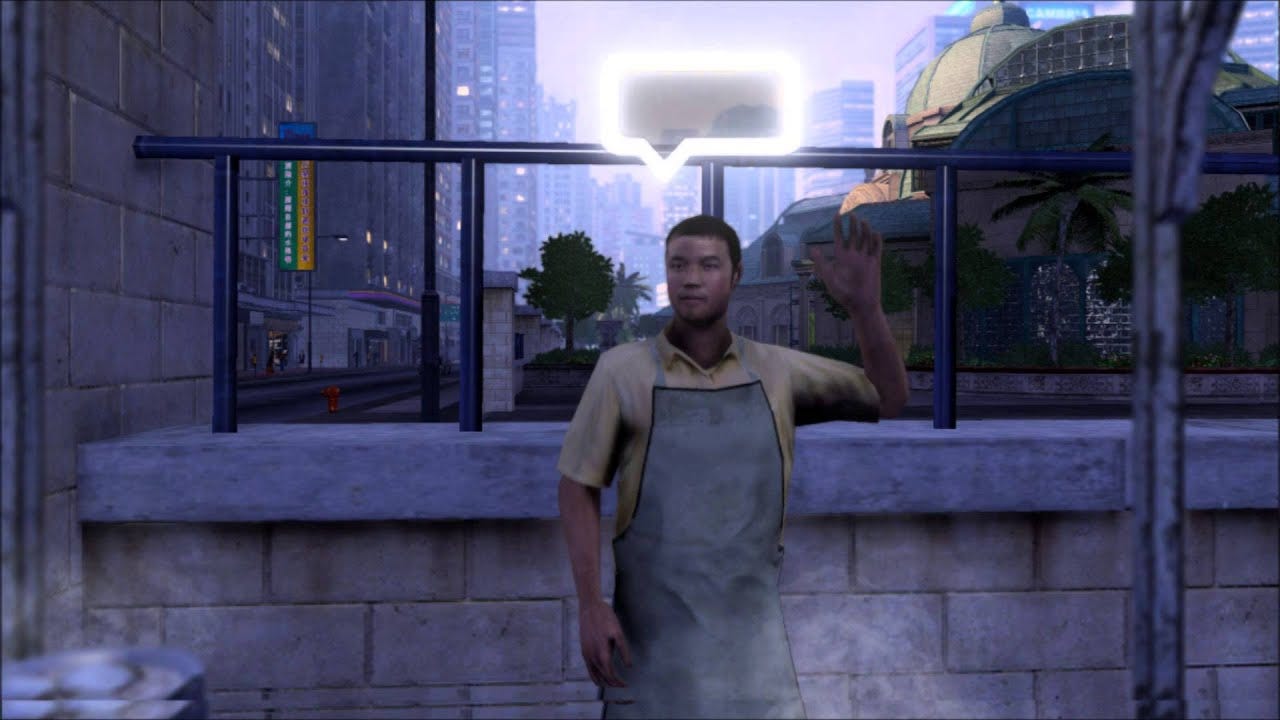
Sleeping Dogs really was sublime at balancing high-octane action with slower, story-driven missions in a way few open-world games manage.
One moment, you're brawling in tight alleys or chasing thugs across rooftops; the next, you're helping Wei Shen go on a quiet date or running errands for his elderly neighbors.
This contrast gave the game room to breathe.
The action felt intense because it wasn’t constant, and the downtime helped build a believable world. It made the violence hit harder and the characters feel more grounded.
The melee system—inspired by Batman: Arkham but with its own vicious flair—made every fight feel personal.
The game also delivered a strong sense of character growth, not just through the story but also in how Wei Shen evolved as a player-controlled character.
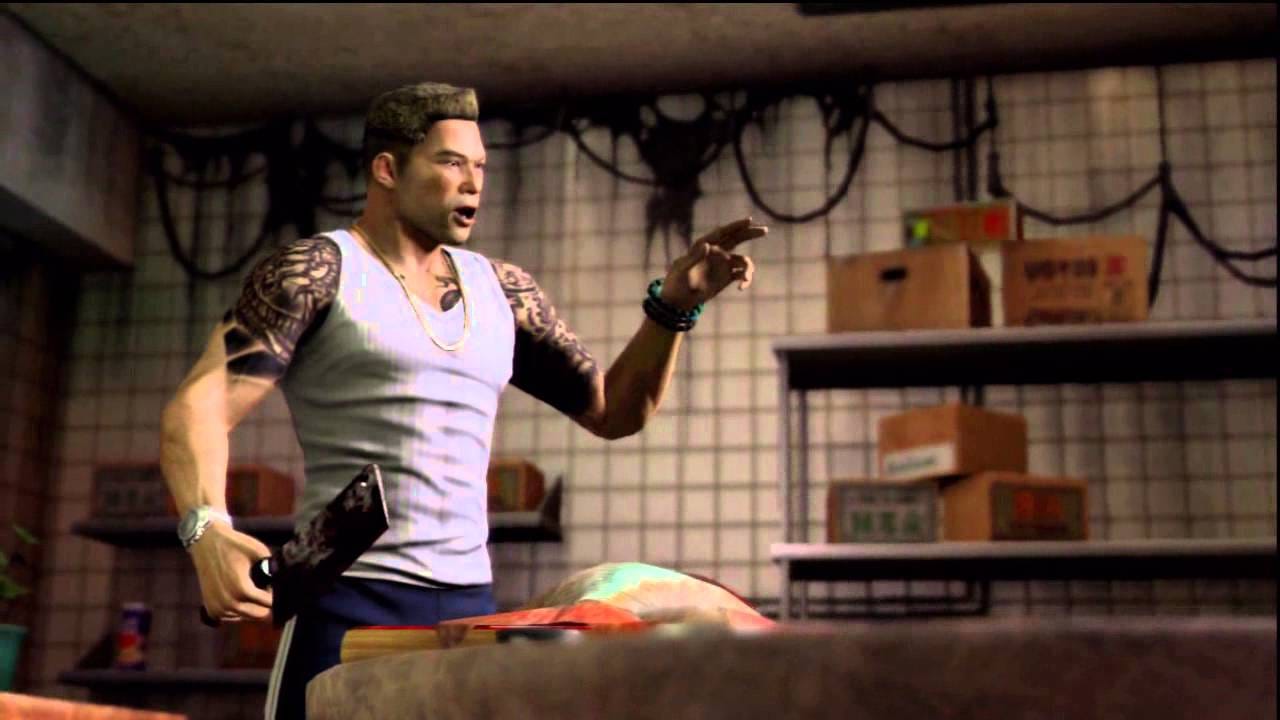
Narratively, you saw him change—his loyalty tested, his values questioned, and his relationships deepened or fractured depending on his choices.
At the same time, you felt that growth in how his skills improved, his combat abilities sharpened, and his role within both the police and the triads became more complex.
The progression felt earned, tied closely to the unfolding story rather than just tacked on for gameplay’s sake.
And the driving?
Slick, arcade-y, and just chaotic enough to make fleeing cops a joy rather than a chore. Much better than the driving in the yet to dominate the world GTA 5.
But what really stuck with me was the world. Hong Kong in Sleeping Dogs wasn’t just a backdrop; it was a character.
The wet streets reflected neon like liquid gold, the food stalls buzzed with life, and the radio stations (oh, the radio stations) were packed with everything from Cantopop to vintage rock.
It's hard to imagine after putting so much time into this game that it almost never came to be.
You see Sleeping Dogs was a bit of a miracle.
Originally meant to be True Crime: Hong Kong, it was canceled by Activision before Square Enix rescued it, rebranded it, and gave us one of the most underrated open-world games of its era.
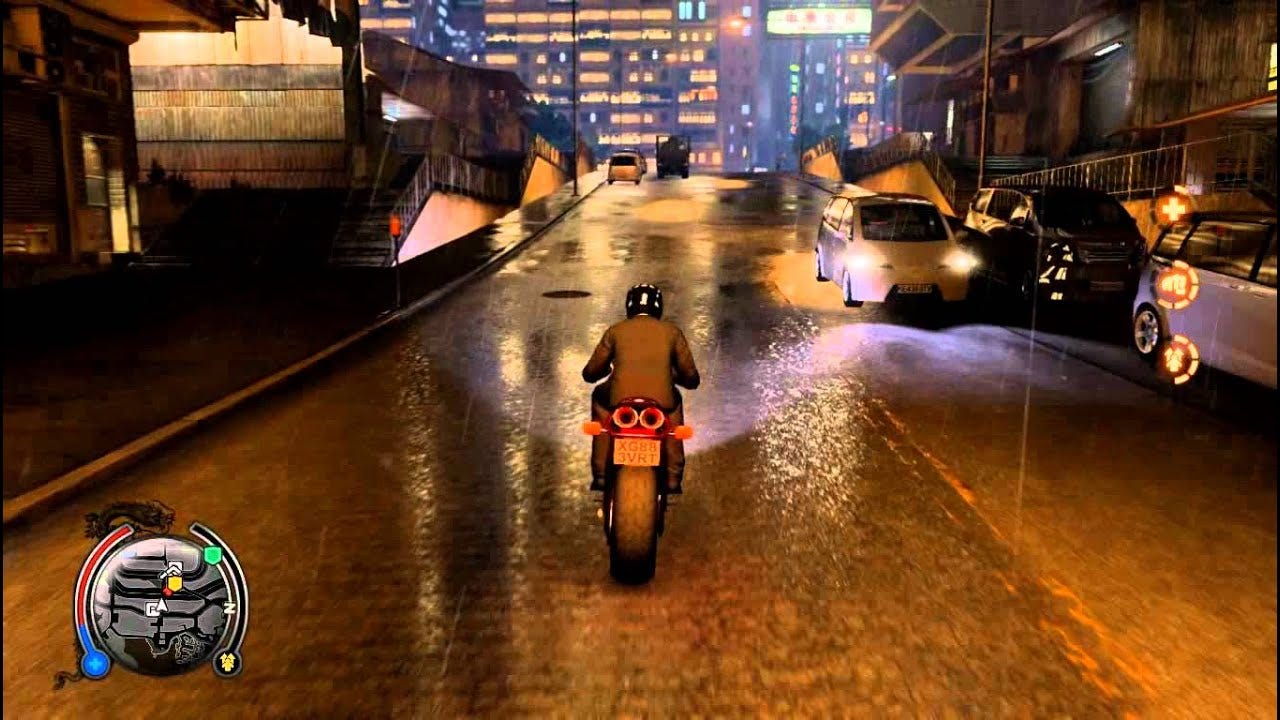
My wife still hums "I Ran (So Far Away)" sometimes, a relic of those late-night joyrides through North Point.
Wei Shen’s story in Sleeping Dogs is one of loyalty, identity, and personal cost. As an undercover cop sent back to Hong Kong, he's tasked with infiltrating the Sun On Yee triad.
But the deeper he goes, the harder it gets to tell where the job ends and his real self begins. He builds genuine bonds with gang members, loses friends, and watches his morals slip.
Caught between two lives, Wei’s struggle isn’t just about justice—it’s about holding onto who he is while pretending to be someone else.
It wasn't groundbreaking, but it was engaging.
It’s a real shame we’ll probably never see a proper sequel to Sleeping Dogs. The game had all the right pieces—a unique setting, a gripping story, tight combat, and a protagonist you actually cared about.
IIt stood out in a sea of open-world games by doing things differently, not bigger. There was so much more that could’ve been explored in that world, especially with how Wei’s story ended.
But with the studio shut down and no plans in sight, it feels like a door slammed shut just as things were getting good.
By the time our daughter arrived, Wei Shen’s story was long finished—twice over, in fact, since I couldn’t resist going back for that second platinum.
But even now, years later, booting up Sleeping Dogs brings me right back to those quiet, sleep-deprived nights—when the only things keeping us awake were a baby on the way and a game that refused to let us go.
Maybe one day I’ll play it again.
And if my daughter walks in, I’ll tell her: "This? This is the game that kept me and your mom sane while we waited for you."
And then I’ll teach her how to perform a bone-crushing counterattack. For life lessons.
Good write up man. Fav of mine fore sure. Need to go back and play it on ps4, I only ever played it 360.
God I love this game